Solo Striker Training Routines
A solo session template that keeps first touch, finishing, and pressure work connected instead of turning training into random shooting.
Solo striker work only pays off when the session has structure. Without that structure, players drift into the easiest finish they already trust and never expose the parts of the action that still break down.
A simple three-block format works well because it moves from touch preparation into finishing, then into a pressure game that forces concentration when the legs are tired.
In this guide
Quick plan
Solo session template
- + Open with a first-touch block that sets body shape for the shot.
- + Move into a target-finishing block with both corners and both feet.
- + End with a score-based pressure phase so the last reps are mentally honest.
- + Write down what broke first before you leave the pitch.
Practice block
30-minute solo striker session
- + 8 minutes of first-touch preparation from two different angles.
- + 12 minutes of target-based finishing into both top corners.
- + 5 minutes of weaker-foot or first-time variation work.
- + 5 minutes of a score-based pressure challenge.
Common misses
Solo-session traps
- + Too much ball carrying and not enough finishing rhythm.
- + No record of hit rate, so the player cannot see whether accuracy improved.
- + Only taking favourite finishes from the same side.
- + Finishing the session when the player is warm instead of ending under pressure.
Block one: Prepare the body with the first touch
Use bounce passes off a wall, self-served tosses, or a rebound board to create a realistic first touch. The touch should not be random; it should place the body into the finish you are about to train.
Forwards need to feel how the touch changes the finish. A touch across the body opens the far corner, while a touch into the line may invite a near-post or quick-lift strike instead.
Block two: Train target discipline
The middle block is where the finishing work lives. Alternate between far-top-corner curl, near-post power, and one or two first-time patterns so the session covers more than one kind of finish.
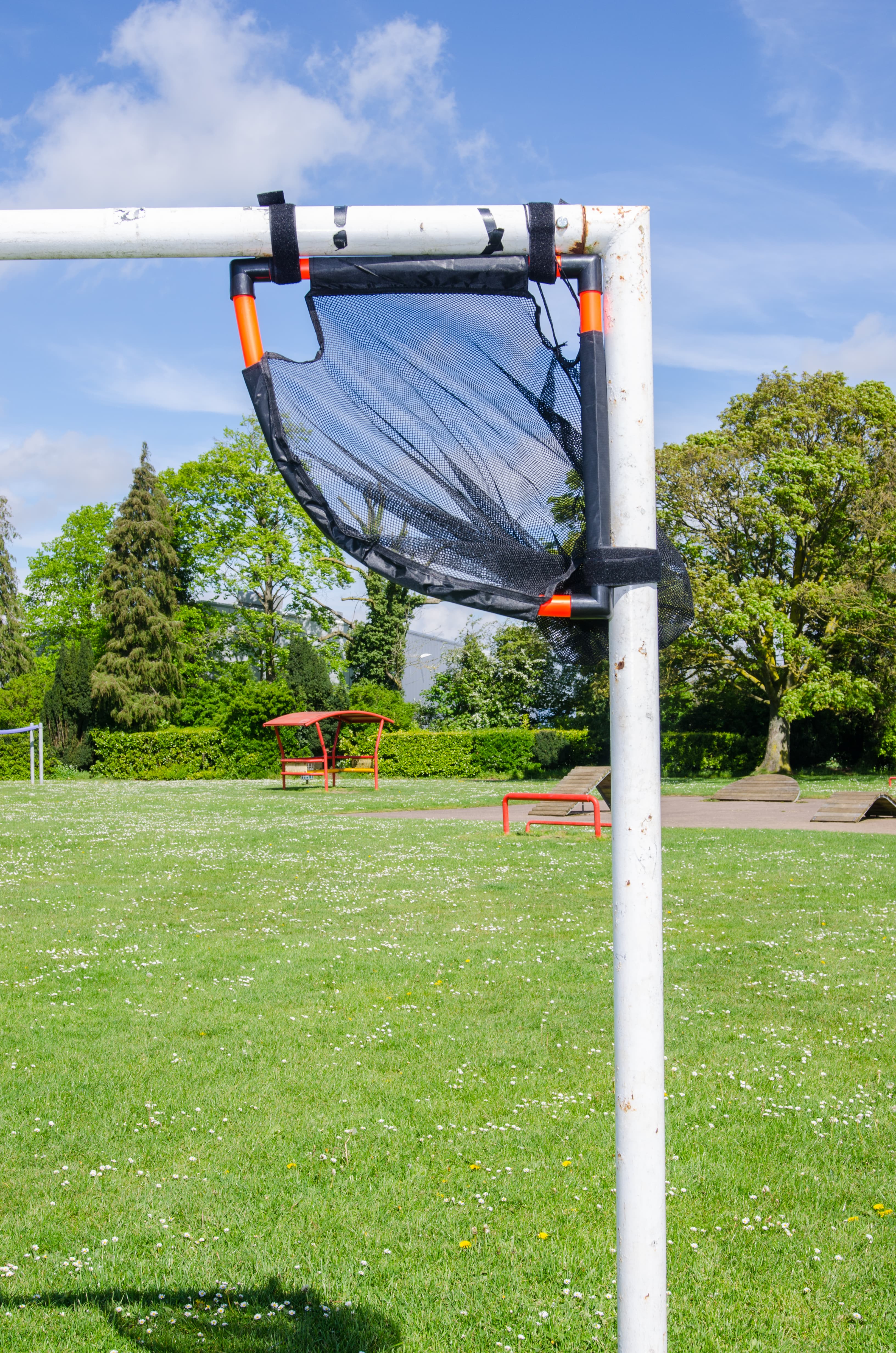
A visible target stops solo players from drifting into vague shots. If the rep has a clear corner and the ball misses it, the feedback is immediate and useful.
- + Split reps between both top corners.
- + Use your weaker foot in the same session, not only on a different day.
- + Count only clean finishes into the chosen scoring window.
Block three: Add consequence
Finish with a challenge that has a score and a cost. For example, give yourself ten balls to hit six clean targets, or restart the set every time two misses arrive in a row.
That consequence changes how the shot feels. Suddenly the last rep matters, which is exactly why it transfers better than endless casual striking.
Use the notes to design the next session
The session should finish with a short review. If the touch was clean but the shot floated, your next session needs more strike work. If the strike was solid but the first touch kept closing the angle, go back to the setup phase.
This makes solo training cumulative. Each session tells the next one where to start instead of resetting to zero.
Continue learning
Keep the sequence coherent by moving from this topic into the next technical block.