How To Hit The Top Corner In Football
Learn the angle, contact, and training cues that make top-corner finishes more repeatable in real match actions.
Top-corner finishing is not a power contest. It is a geometry problem: the angle into the ball, the plant foot position, the body stack, and the strike shape all have to agree before the shot leaves the foot.
Players improve faster when they separate the finish types. A wrapped shot to the far upper corner is a different action from a laces strike that lifts quickly, so the rep should tell you which version you are training before the run-up starts.
In this guide
Quick plan
Top-corner checklist
- + Approach on a slight angle so the hips can open into the target instead of crashing straight through the ball.
- + Plant beside the ball with the chest stacked, not leaning back toward the bar.
- + Choose curl or laces before the touch arrives so the ankle shape stays consistent.
- + Score only clean upper-window finishes, not lucky shots that happen to rise.
Practice block
20-ball running-shot block
- + 5 cut-inside shots bent to the far upper corner.
- + 5 two-touch shots attacked with the laces from a more central lane.
- + 5 weaker-foot reps into the same top-corner window.
- + 5 pressure reps where only first-time or second-touch shots count.
Common misses
Common misses and fixes
- + Leaning back: reduce pace and keep the chest stacked over contact.
- + Plant foot too far away: tighten the final step so the strike can stay compact.
- + Opening the hips too early: decide the corner first and let the shape build late.
- + Training only static shots: add movement patterns before adding more power.
Set the angle before you strike
Most players miss high because the approach is rushed and the support foot lands late. Arrive with a calm final stride so the plant foot can sit next to the ball and the body can stay over the contact point.
A top-corner finish usually comes from a slight entry angle rather than a straight sprint. That angle gives the hips room to turn and helps the follow-through travel toward the corner instead of across the ball.
Know whether the rep is curl or lift
The classic far-top-corner shot is a wrapped finish with the inside of the foot. It works best when the body opens, the ankle stays firm, and the follow-through wraps around the ball instead of stabbing at it.
A quicker top-corner strike uses the laces with less bend and more direct lift. That version is useful when the keeper is set late or the shooting lane is more central, but it only stays under the bar if the chest stays controlled.
- + Use curl when you have space to bend the shot around the keeper.
- + Use a firmer laces strike when the lane is central and the release must be quicker.
- + Do not switch finish type halfway through the run-up.
Train running shots, not just dead balls
The best transfer comes from moving into the strike. Work on cut-ins from the flank, half-turn finishes after a bounce pass, and second-touch shots after a check-away movement so the top-corner rep still looks like football.
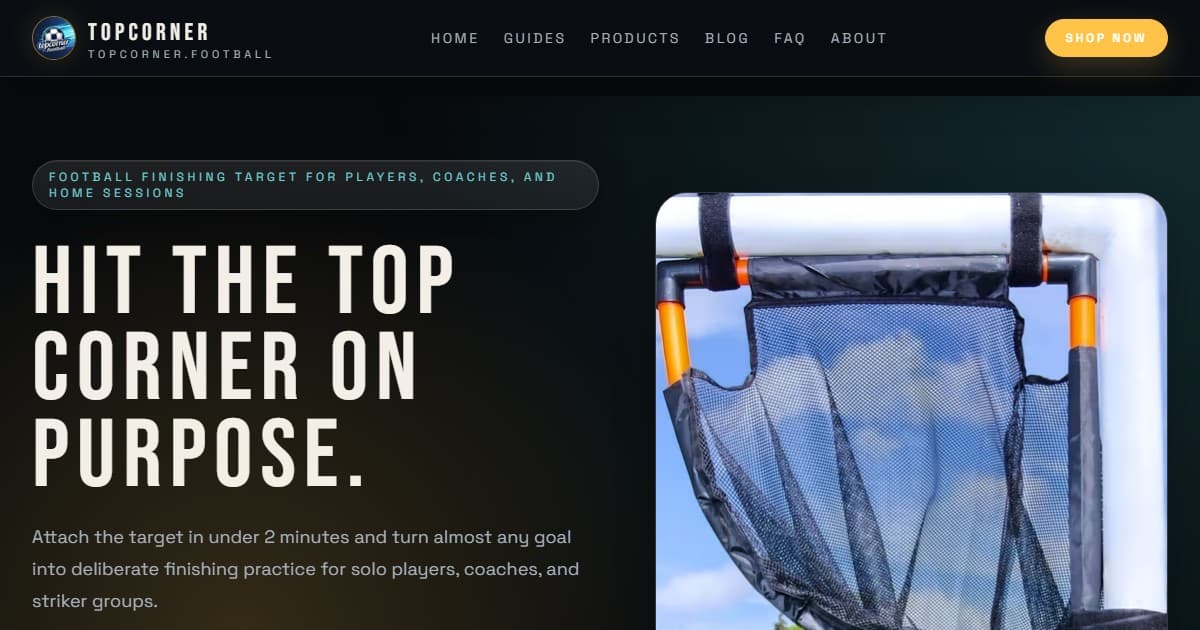
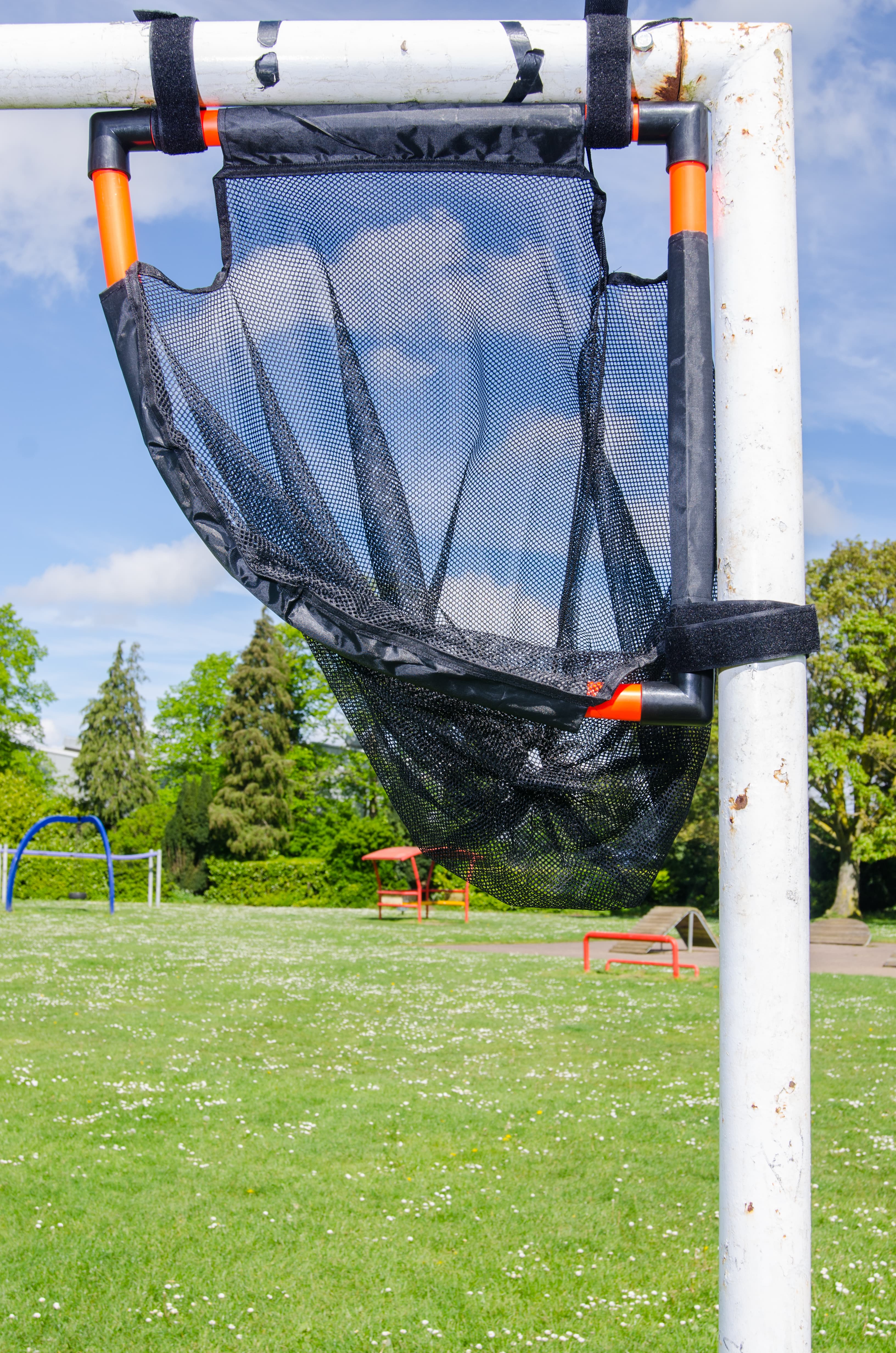
A visible upper target is useful here because it tells you whether the movement pattern still led to the correct finish window. Without that target, players often settle for any shot that goes high instead of a clean upper-corner action.
Track hit rate instead of highlight shots
One clean top-bins strike looks great, but it tells you very little. A better measure is a small set where every rep starts from the same pattern and only true upper-corner finishes count.
If the ball keeps drifting wide, review the line of the plant foot and the exit of the follow-through. If it keeps sailing over, the body is usually losing its stack or the player is chasing extra pace.
Watch the technique
Use these breakdowns to study shape, approach, and contact before the next session.
How I Curve A Soccer Ball Top Corner
Close-up study material on body lean, plant-foot distance, and wrapping the ball into the far upper corner.
Visual Guides And References
Continue learning
Keep the sequence coherent by moving from this topic into the next technical block.