
Improve Finishing Accuracy
A repeatable system for cleaner placement that links decision-making, body shape, and target discipline in every session.
Finishing accuracy improves when the player knows what success looks like before the shot starts. That sounds obvious, but many sessions still ask for vague power and then hope placement appears afterwards.
A better approach is to build accuracy around repeatable decision points: what corner is live, what finish type is being trained, and what technical cue is under review in that set.
In this guide
Quick plan
Accuracy audit
- + Define the target and finish type before the rep begins.
- + Keep the first set simple enough that clean contact is possible.
- + Record why the miss happened instead of calling every miss a bad shot.
- + Only add speed or pressure when the previous level is stable.
Practice block
Accuracy progression
- + Static target work to lock in contact.
- + Two-touch finishing with the same target window.
- + Movement-based finishing from a different angle.
- + A final score challenge where only target-clean finishes count.
Common misses
Why accuracy stalls
- + Training volume without a visible target or scoring rule.
- + Changing finish type before the original one is repeatable.
- + Ignoring why the shot missed and only counting total shots.
- + Adding pressure before the basic action is clean.
Start with one visible target
Accuracy training gets diluted when the player treats the entire goal as good enough. One visible target narrows the eye and makes the body solve a more precise problem.
That precision matters because it links the shot mechanics to an outcome the player can actually judge. The rep becomes a feedback loop instead of a generic strike.
Keep the cue narrow
A session improves faster when one technical cue owns the set. That cue might be plant-foot distance, early body shape, or a firmer ankle through contact, but it should stay stable long enough for the player to feel the change.
If the coach or player keeps switching cues every rep, the misses stop being useful. The body never gets the chance to repeat a corrected action.
Use misses as categories
Not all misses mean the same thing. A shot high over the bar usually points to posture or overhit contact. A shot that starts outside the post might point to setup angle or plant-foot line.
Once misses are grouped, the next session becomes clearer. You can return to the most common failure first instead of trying to solve everything in one block.
Progress from clean reps to football reps
Accuracy should not stay static forever. Once the player can repeat the target from a stable setup, add movement, first-touch variation, and score pressure so the placement survives real actions.
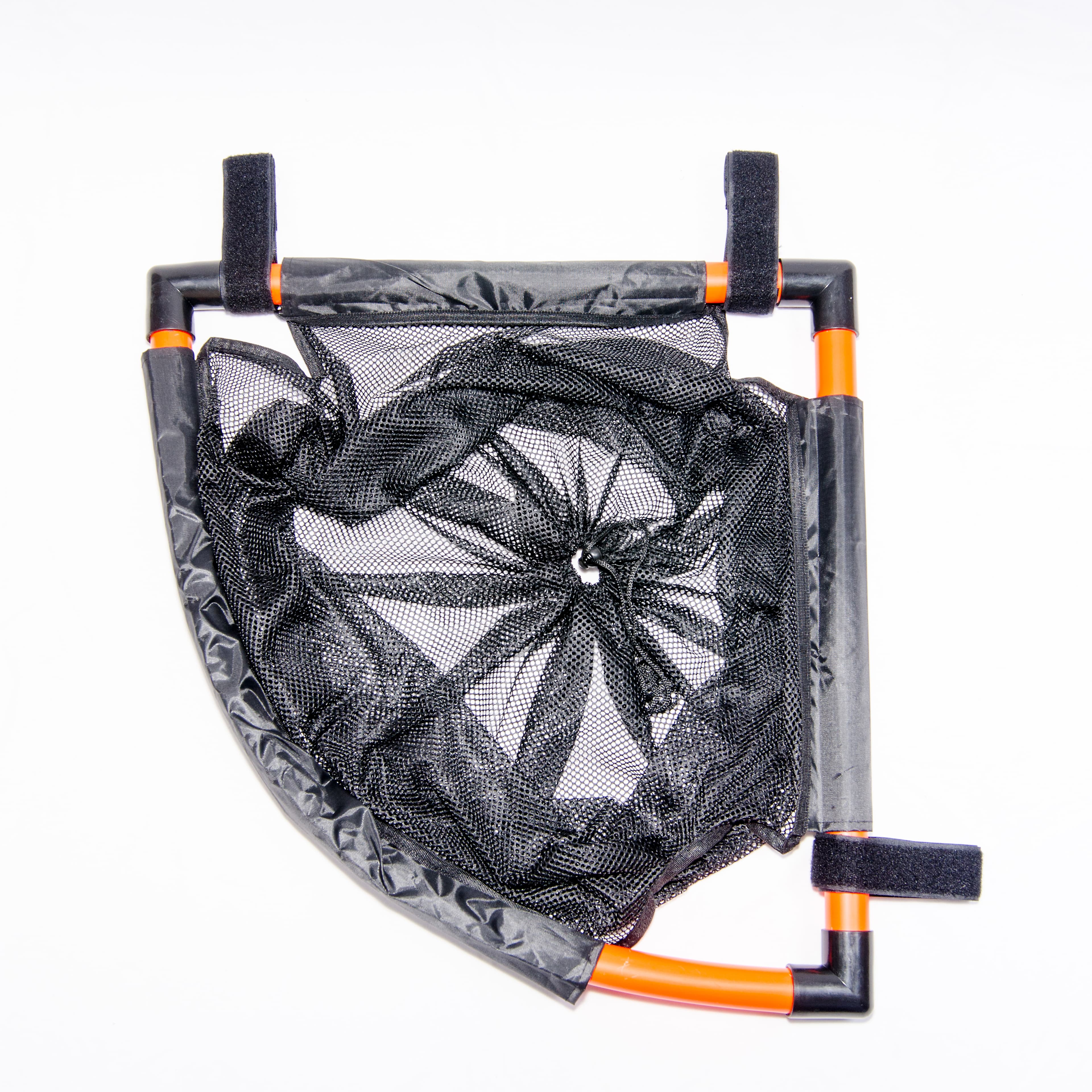
This progression is where tools like a visible corner target become useful. They let the session stay honest even when the rep gets quicker and more chaotic.
Continue learning
Keep the sequence coherent by moving from this topic into the next technical block.