How To Practice Football Shooting At Home
A home football shooting guide covering safe setup, realistic drills, and ways to improve finishing with limited space.
Home shooting practice can be excellent or useless. The difference usually comes down to space management, target selection, and whether the player is training a repeatable action instead of just blasting shots.
If you have access to a garden goal, a local cage, or a safe open space, you can build useful finishing sessions at home with very little equipment.
Internal link
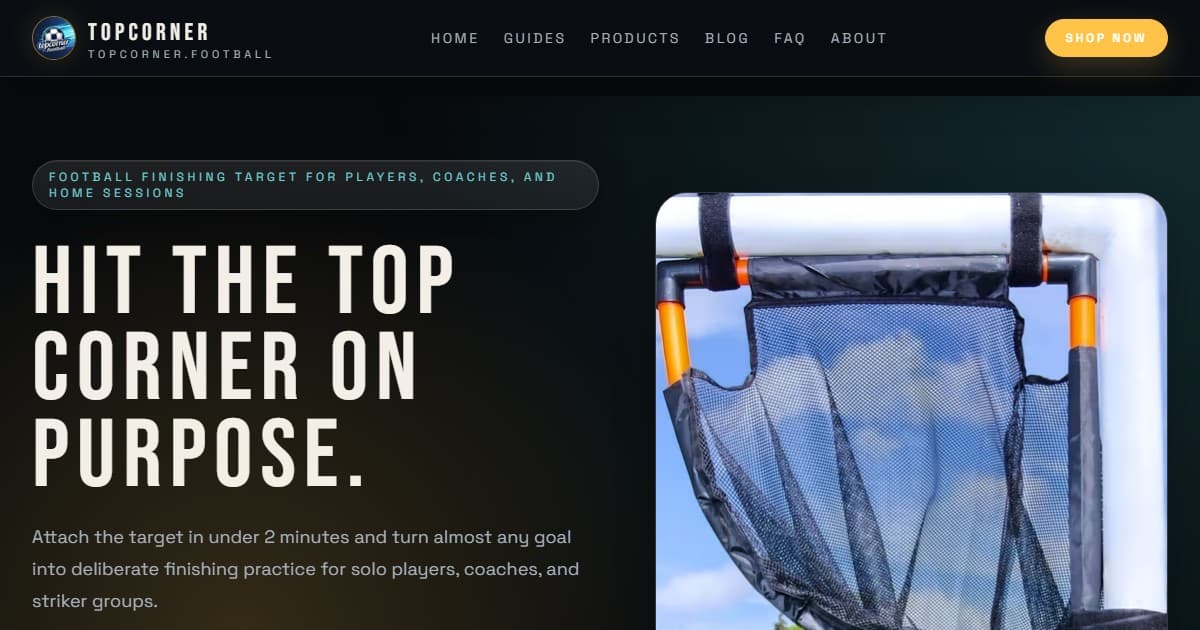
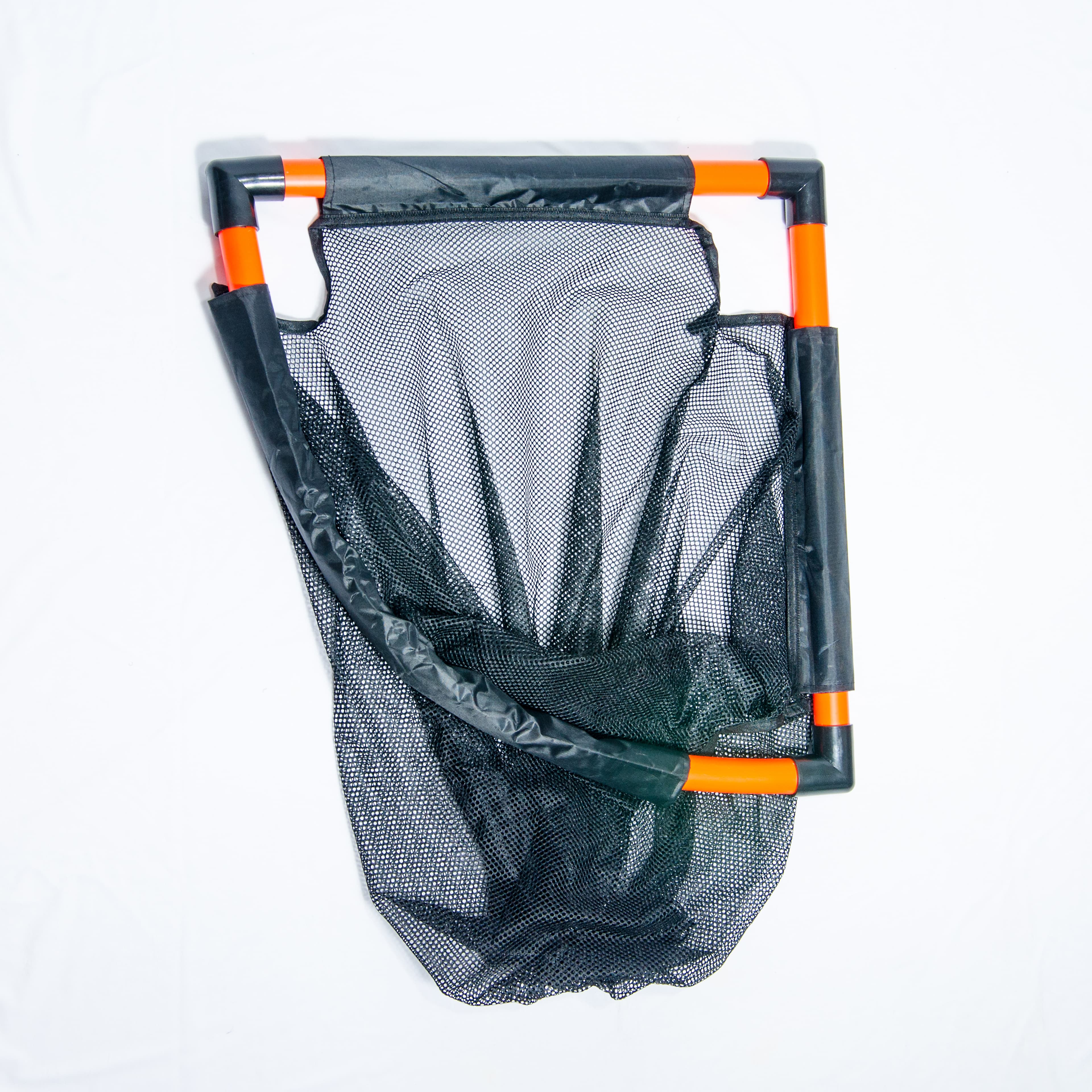
Ready to turn these finishing ideas into a visible training setup? See the TopCorner corner target or browse the FAQ and the guide collection before you buy.
Choose a setup that is safe before it is ambitious
The first rule of home shooting practice is control. You need a ball, a target, and a backdrop that make sense for the environment you are in.
If you do not have a full-size goal, scale the drill down. Precision work in a smaller target area often teaches more than wild shooting in a bigger space.
Keep the ball moving into the shot
Static balls are useful for a small slice of the session, but home practice should still include touches into the strike. Use cones, markers, or household objects to create simple movement patterns.
The goal is to rehearse the touch before the finish as often as the finish itself.
Use visible targets for measurable reps
At home, a clear target does the job of a coach by telling you if the rep met the standard. That might be a corner target, a hanging marker, or a clearly defined scoring zone.
Without that target, it is difficult to know whether you are really improving placement or just getting through shots.
Structure a 30-minute home shooting session
Spend 10 minutes on first-touch preparation, 10 minutes on targeted finishing, and 10 minutes on a challenge block where you count clean hits or specific finishes.
This structure keeps the session efficient and prevents the quality drop that often happens when players stay in one drill too long.
- + 10 minutes: receive, set, and shoot
- + 10 minutes: far-corner and top-corner target work
- + 10 minutes: score-based challenge under fatigue
Review the session like a coach
Ask what actually improved: the contact, the touch into the shot, or the decision about where to finish. That reflection is what turns home practice into real development.
If you notice one recurring problem, design the next session around fixing only that issue.